Container 20 pieds reefer-neuf

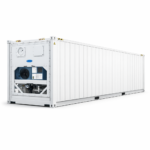
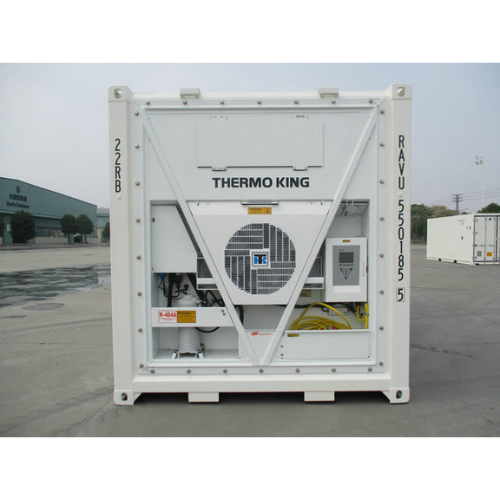
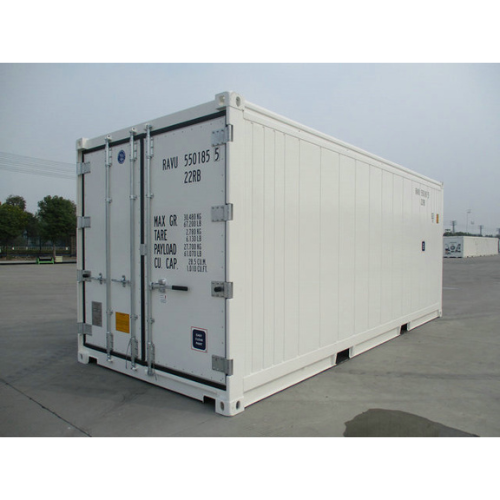
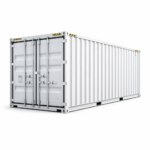
Le conteneur 20 pieds reefer est un conteneur maritime équipé d’un groupe froid industriel. Il est entièrement isolé grâce à des panneaux sandwich en mousse polyuréthane épaisseur 70 mm (un des meilleurs isolants du marché).
Ce conteneur permet de transporter de la marchandise à température contrôlée, et de stocker jusqu’à 10 euro palettes. L’avantage de cette véritable chambre froide mobile est de pouvoir travailler sur une grande amplitude de température : de – 25°C à + 25°C.

Le conteneur 20 pieds reefer est utilisé pour le transport et le stockage de produits alimentaires, tels que la viande, les fruits, les légumes, les produits laitiers, etc. Il est également utilisé pour le transport et le stockage de produits non alimentaires, tels que les produits pharmaceutiques, les produits chimiques, les produits électroniques, etc.

Les conteneurs 20 pieds reefer sont des équipements fiables et robustes. Ils sont conçus pour résister aux conditions de transport maritime, terrestre et aérien.

Caractéristiques
Surface: 13 m2
Capacité: 28 m3
Plancher: rail T en aluminium
Structure: Corten et Inox
Portes: doubles battants avec barres de
fermeture et joints caoutchouc étanches
Poids: 2900 kg
Charge max: 27580 kg
Poids max: 30480 kg
Nombre de palettes Europe: 10
Système électrique: 380/4460V-50/60Hz
Prise: 32A 5P 6H (3 phases + terre + neutre)
Plage de température: -22°C à +22°C
Puissance nécessaire: 12 KW – Consommation
d’énergie: 16A
Fluide frigorifique: R134a
Décongélation automatique et enregistrement
électronique ou mécanique des températures
Dimensions extérieures
6,000m x 2,440m x 2,590m
Dimensions intérieures
5,700m x 2,280m x 2,260m
Dimensions des portes
2,292m x 2,265m
1,320.00

SKU : MN45947

4 People watching this product now!

Customer Reviews

Online Sports Nutrition and Natural Dietetics.

Chances are there wasn't collaboration, communication, and checkpoints, there wasn't a process agreed upon or specified with the granularity required. It's content strategy gone awry right from the start. Forswearing the use of Lorem Ipsum wouldn't have helped, won't help now. It's like saying you're a bad designer, use less bold text, don't use italics in every other paragraph. True enough, but that's not all that it takes to get things back on track.

The villagers are out there with a vengeance to get that Frankenstein

You made all the required mock ups for commissioned layout, got all the approvals, built a tested code base or had them built, you decided on a content management system, got a license for it or adapted:

  • The toppings you may chose for that TV dinner pizza slice when you forgot to shop for foods, the paint you may slap on your face to impress the new boss is your business.
  • But what about your daily bread? Design comps, layouts, wireframes—will your clients accept that you go about things the facile way?
  • Authorities in our business will tell in no uncertain terms that Lorem Ipsum is that huge, huge no no to forswear forever.
  • Not so fast, I'd say, there are some redeeming factors in favor of greeking text, as its use is merely the symptom of a worse problem to take into consideration.
  • Websites in professional use templating systems.
  • Commercial publishing platforms and content management systems ensure that you can show different text, different data using the same template.
  • When it's about controlling hundreds of articles, product pages for web shops, or user profiles in social networks, all of them potentially with different sizes, formats, rules for differing elements things can break, designs agreed upon can have unintended consequences and look much different than expected.

This is quite a problem to solve, but just doing without greeking text won't fix it. Using test items of real content and data in designs will help, but there's no guarantee that every oddity will be found and corrected. Do you want to be sure? Then a prototype or beta site with real content published from the real CMS is needed—but you’re not going that far until you go through an initial design cycle.